BioClub: Experiencing Science
Biology is something to experience, not only something to memorise.
The context
BioClub was a science education programme developed through earlier educational work delivered by Sadehsazan Sokhan Elm Institute in Iran. It treated biology as a way to connect ideas from chemistry, health, engineering and the environment.
The problem
Biology is often presented as facts and technical terms to memorise. Learners can remember the content for an exam without seeing how it relates to everyday life or other areas of science.
The programme needed to turn abstract ideas into activities people could observe, discuss and test.
What was designed
The work combined learning design, science communication and practical delivery materials:
- programme and activity structures
- age-appropriate explanations of scientific concepts
- facilitator guidance and training materials
- physical kits for learning at home
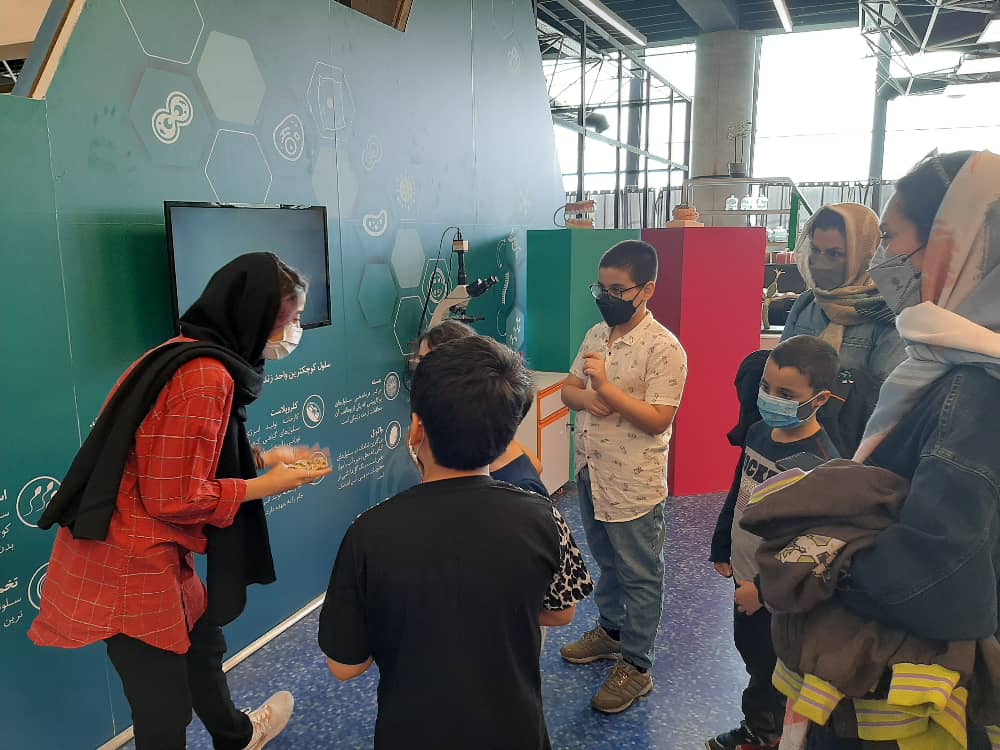
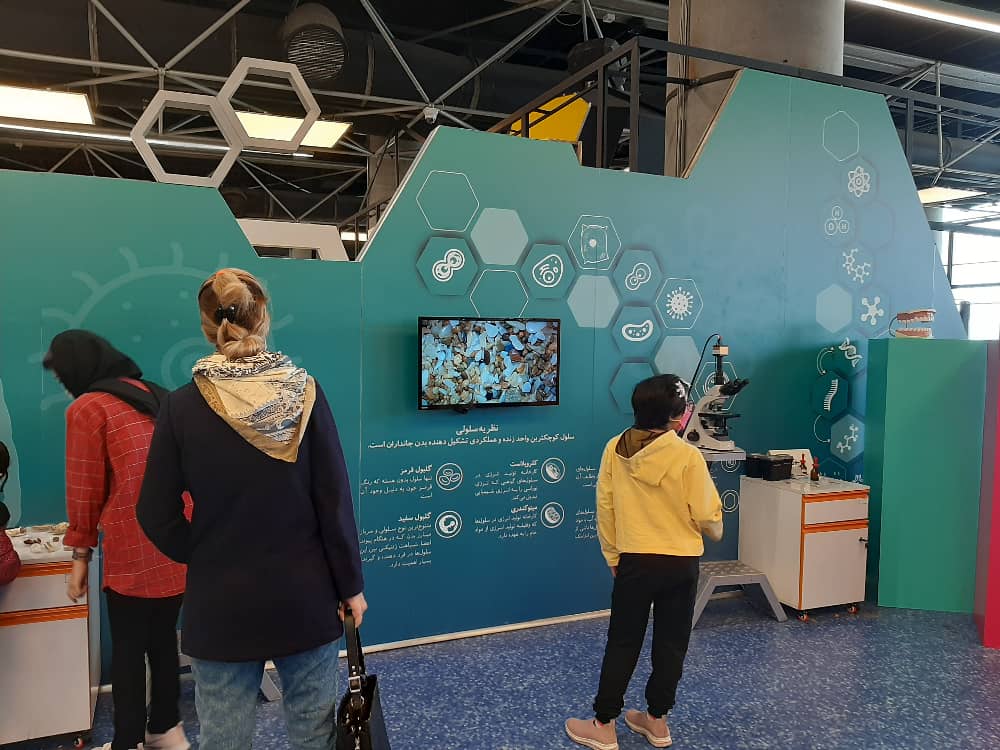
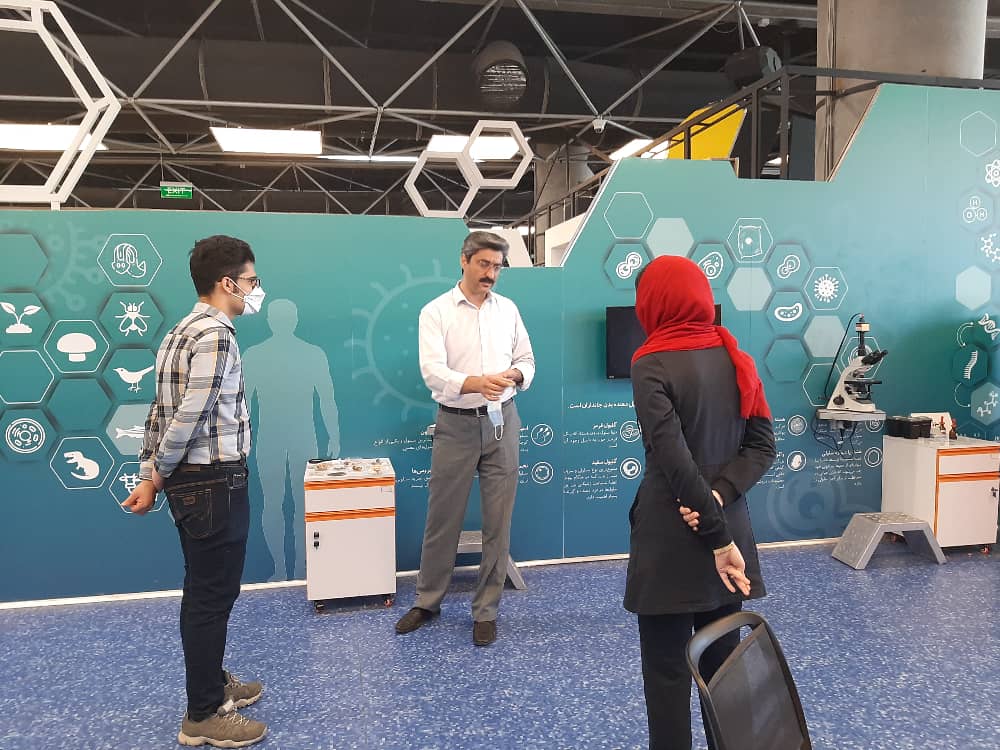
Three learning stations helped participants move between different scales of life.
Molecular Station
Activities explored DNA, proteins, sugars and fats through models, games, DNA extraction and fingerprint examination.
Cellular & Organism Station
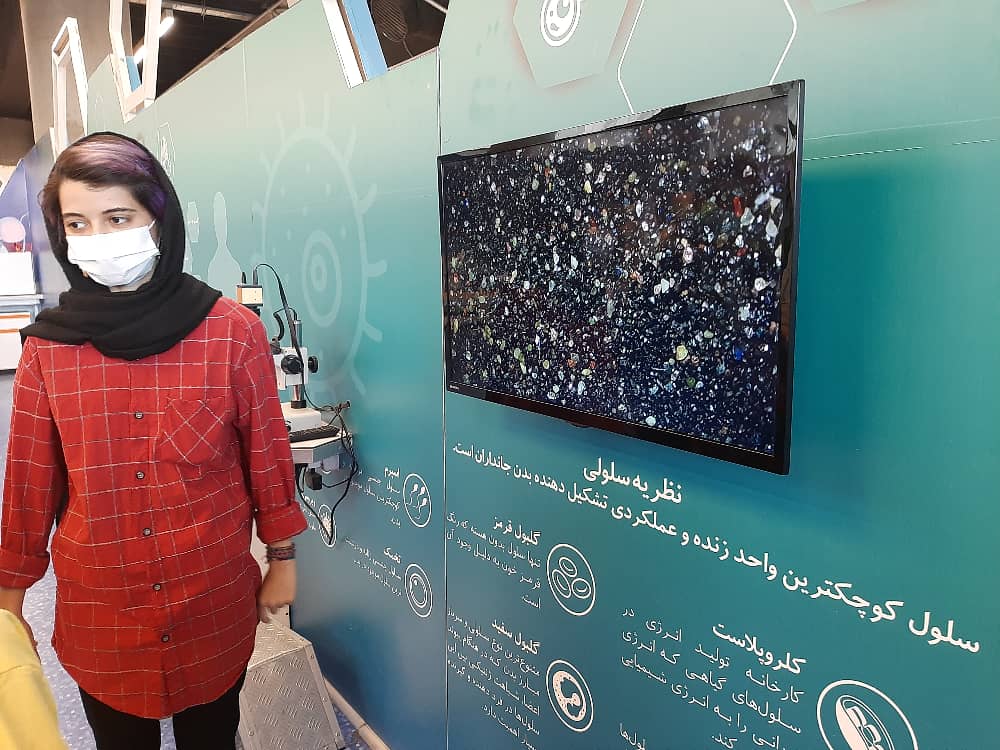
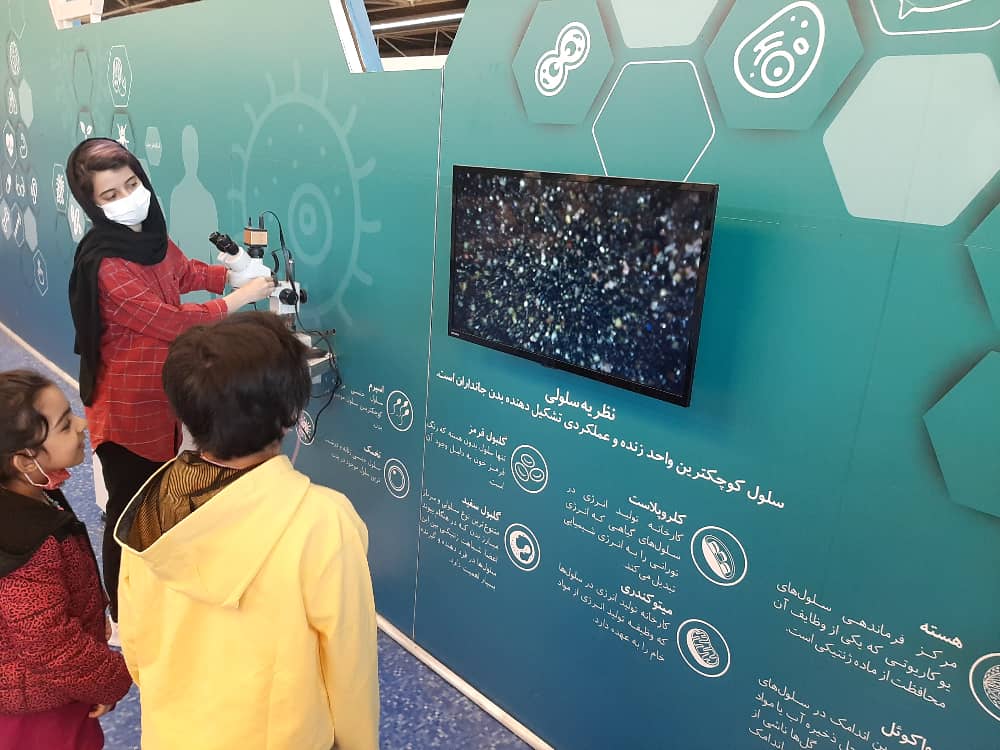
Learners explored plants, animals and microorganisms through terrariums, specimens and observation.
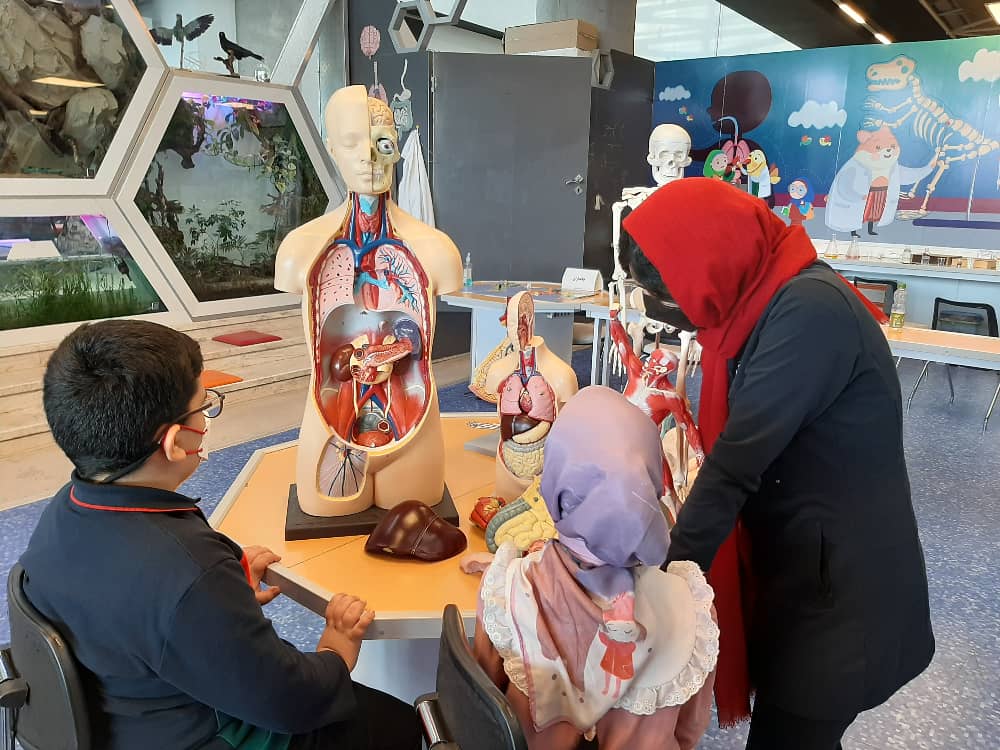
Health & Anatomy Station
Activities covered breathing, circulation, comparative anatomy and supervised dissection.
How it worked
Everyday events became starting points for science. Dough rising, yoghurt turning sour and food going mouldy helped explain cellular and molecular processes.
Facilitators could adjust the depth of explanation for different ages while keeping the same activity structure.
Example workshop pathways included:
Little Scientist
Discovery, observation, anatomy and environmental responsibility.
Scientist Chef
Fermentation, dairy science, cells and chemistry in the kitchen.
Biologist Architects
Biomimicry, green architecture, body levers and robot building.
Doctors of Tomorrow
Sterilisation, artificial organs, genetics and plant extraction.
From Dream to Reality
Scientific questions about longevity, the mind, time, micro-robots and emotion.
Learning beyond the programme
Physical learning kits brought activities into the home and encouraged children and parents to work as teammates.
Fossil Kit
Create mould and cast fossils while learning how fossils form.
Water Washing Kit
Build a layered filter and learn why clear water is not necessarily safe to drink.
Glass Garden Kit
Create a terrarium while learning how a closed ecosystem works.
Noroozist Kit
Explore spring, local culture and plant life cycles through seed planting.
What was learned
A familiar activity can provide a clear entry point into a difficult scientific idea. The activity still needs a deliberate sequence, a useful question and guidance that helps the facilitator connect observation to explanation.
The project also showed why adaptable facilitator materials matter. A shared activity can support different learners when its core idea, optional depth and discussion prompts are clearly separated.
Earlier work and recognition
BioClub is presented as earlier educational work. It is not presented as a current paid client project of Rich & Plain Studio.
Recognition from earlier work. As part of its earlier educational work, Sadehsazan Sokhan Elm Institute was recognised as a Creative Company by Iran’s Vice Presidency for Science and Technology for its work in developing children’s scientific and experiential skills.
This experience continues to inform Rich & Plain’s approach to learning and experience design.
What this shows
Specialist knowledge can become a programme that different facilitators can deliver consistently.
Facilitator and participant feedback can guide the next version.
Gallery